Circle Dancing History and Spiritual Dance Expression
By Adrienne Sofia Rose
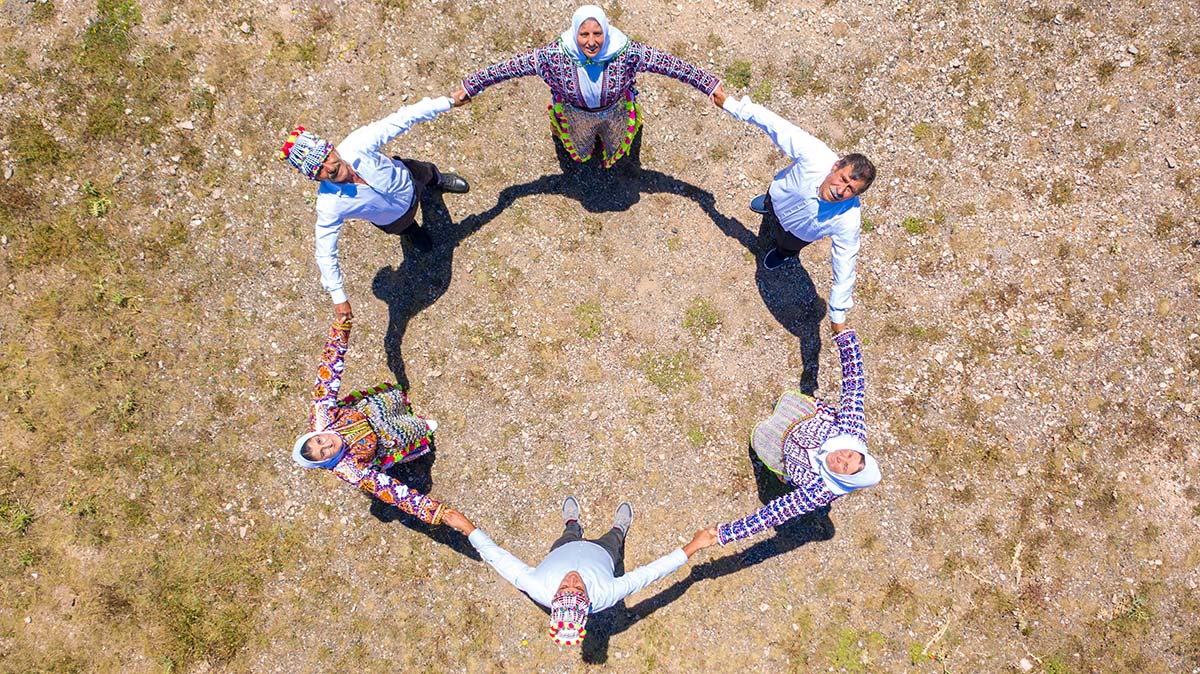
Image by Yunuscan Zeybek from Pixabay
Circle dancing is one of the oldest known forms of creative movement. Ancient dance circles have been depicted on cave paintings, rock art, and pottery dating as far back as the paleolithic age in many different places all over the world. These artistic renderings bear witness to the human need to connect through shared movement through the ages. Anthropologists have theorized that circle dancing began as a religious ceremonial practice in many cultures.
Over the years, circle dancing has been practiced for a variety of reasons ranging from the spiritual and rite of passage to special occasions and community gatherings. So why has this form of movement persisted through the centuries? To understand, that we need to look at what a dance circle is and why people circle dance.
What is a dance circle?
A dance circle is a group of people who come together to engage in creative movement of the body and move together in clockwise or counterclockwise fashion in a circular formation. The creative movement may be choreographed or free form expression. Common movements seen in circle dancing sometimes involve the joining of hands and dancing toward the center of the circle and back in place. Any number of three or more people is enough to form a dance circle. The dancing is often accompanied by musical instruments such as drums, as well as singing, or chanting.
The Circle Formation
Why do these dances use a circular formation? A circle is infinite, has no end or beginning. Just like spiral patterns, circle patterns represent how everything is connected. In the dance circle, all are equal and connected together. There is great power in that because it means each circle member doesn’t stand alone. They stand together.
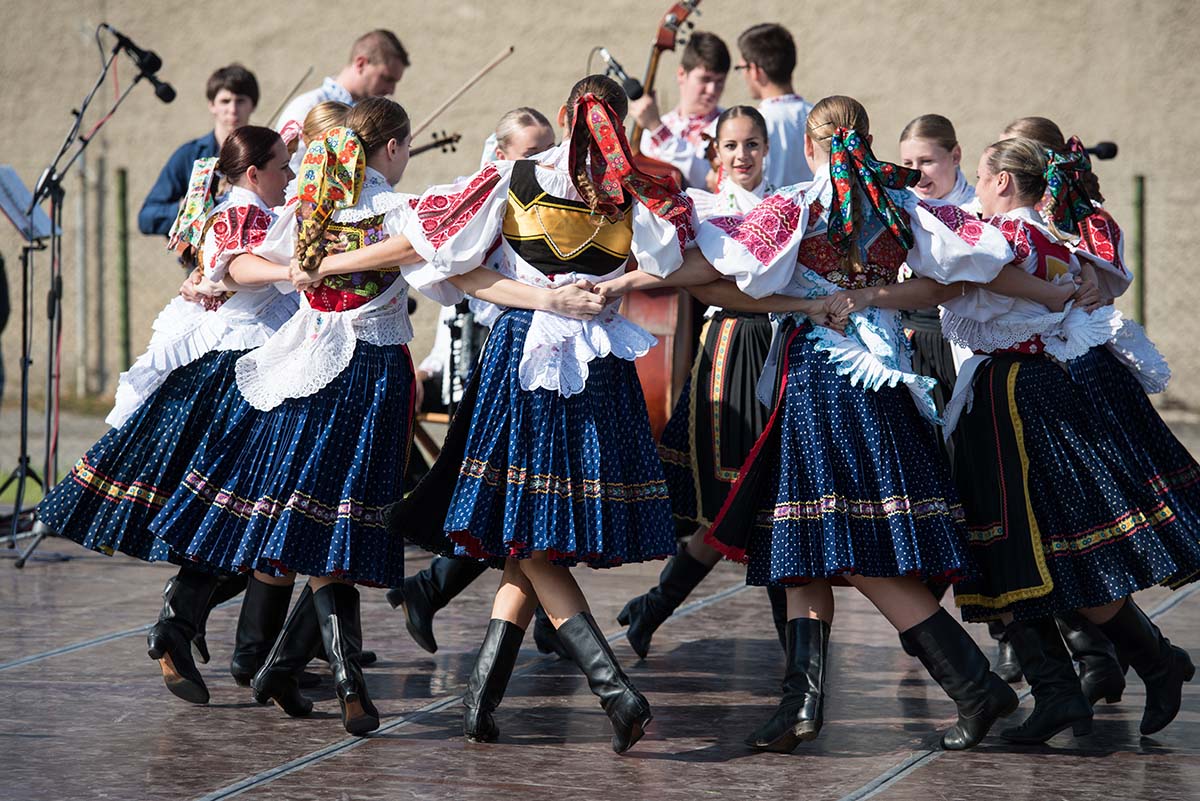
Image by Jan Hrasko from Pixabay
Why do people circle dance?
Anthropologists believe the first dance circles centered around sun worship. Over the years, dance circles have taken place for many reasons across many cultures around the world.
Reasons that People Circle Dance Include:
- Marking Special Occasions – Rite of passages like coming of age, weddings, funerals, social celebrations
- Honoring the Seasons – The celebration of the four seasons of winter, spring, summer and fall
- Connecting with Nature – The moon phases, weather, the animal world
- Observing religious or spiritual ceremonies – Rituals, the worship of gods, the reverence of ancestors
- Healing – Healing ceremonies.
- Storytelling
- Community Building – For unity, honoring a cultural tradition, a common cause, or fun connecting with others
- Meditative Dance – Dancing to contemplate and meditate through movement
- Fitness – Exercise
Here are some examples of circle dancing through various cultures:
Some dance circles feature storytelling:
- Hawaiian Hula is a rich tradition, that tells a story through each body movement and often incorporates circle dance formations. Some hula moves include circular movements of the body, particularly the hips, which shows the power of the infinite circle pattern.
- In Ireland and Scotland, Ceilidh dancing involves a gathering with storytelling through creative movement, partner dancing, and often includes circle dancing. Dancing involves partners joining hands, clapping together, kicks, and step work.
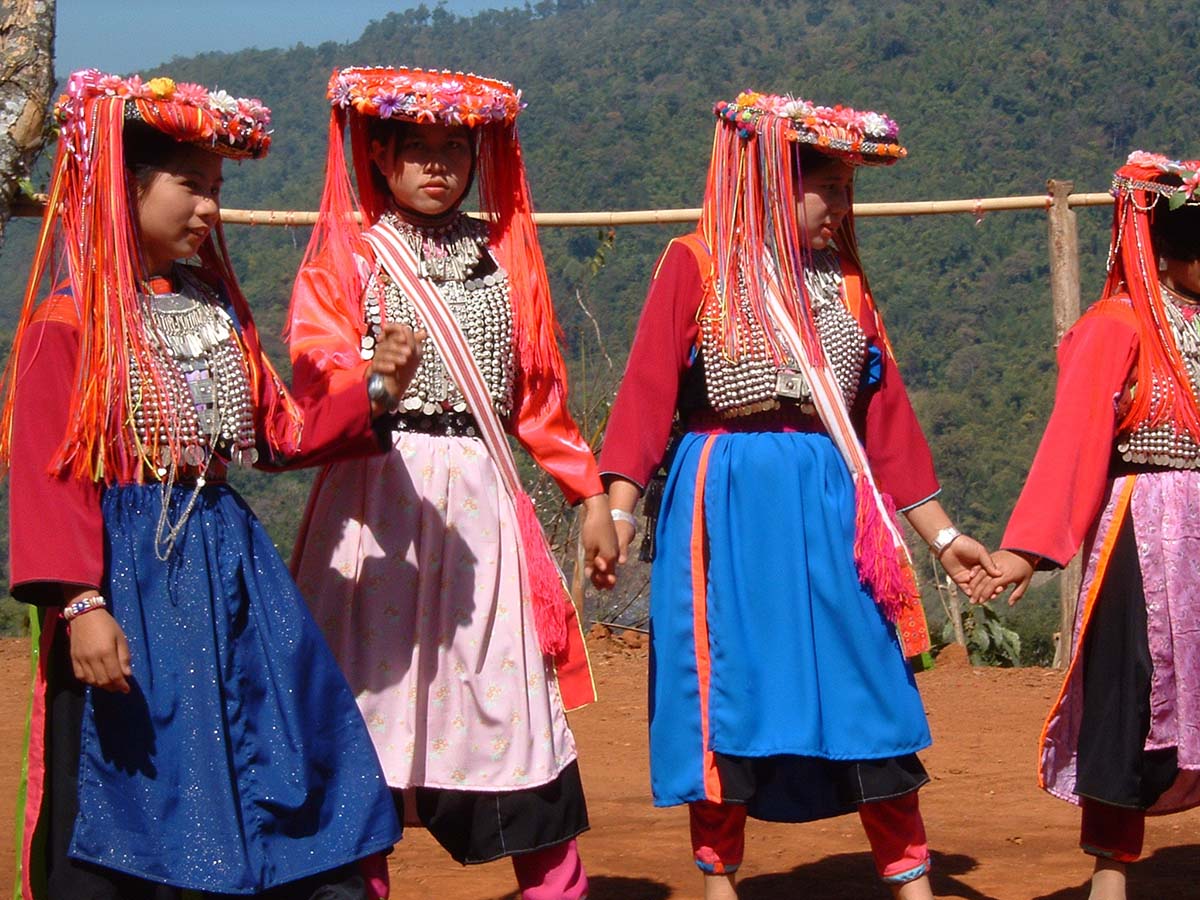
Image by Joseph Ken from Pixabay
Dance circles are popular in some wedding traditions:
- The Dabke is a Middle Eastern folk dance often performed at weddings in countries like Lebanon, Syria, and Jordan. Traditionally performed by men, it is sometimes performed by women too today. Dancers join hands and perform energetic stepping, crouching, and kicking in both linear and circular formations.
- The Hora is a Jewish folk dance that originated in the Balkans and southeastern European countries such as Romania, Bulgaria, and Moldova. The Hora is performed with joined hands in a circle formation that involves lively step work and kicking. Both women and men dance the Hora. Although in some Orthodox Jewish communities, men and women form separate circles for the dance.
Some funeral traditions have circle dancing.
- The Ma’badong circle dance, is danced in Sulawesi, an island in Indonesia, as a part of traditional funeral ceremonies. Ma’badong meaning “Death Song” is performed with people clasping hands, singing, swaying, and swinging their arms.
- In many funerals in Ghana, pallbears will dance around with the coffin on their shoulders in linear and circular formations. The steps are often energetic, with step work, crouching and kicks.
Dance circles are sometimes part of healing rituals:
- The traditional Ojibwe jingle dress dance originated as an healing dance among the Anishinaabe people of the Great Lakes region in the United States and Canada as a healing ritual to help those suffering during the 1918 flu epidemic. Women and young girls carry feather fans and dance in colorful dresses decorated with many metal cones, called jingles, that make a musical sound. The jingles were originally made from chewing tobacco lids rolled into cones in the early days of the dance. The combination of the dancers’ step work, the song of the jingles, and the music all work together as a ceremonial dance to promote healing. The jingle dress dance is commonly performed within the blessed circle at pow wows.
- The Vimbuzza dance in Malawi is a healing ritual that includes circle formations for the community and for the dancers. The sick seeking healing will dance out their illness led by a healer. The ritual dance involves drumming, traditional instruments, singing, and chanting, and some circle dancing. The community will form a circle around the sick person as they enter a trance and call spirits to help them fight the illness. The participants are usually women led by a male healer.
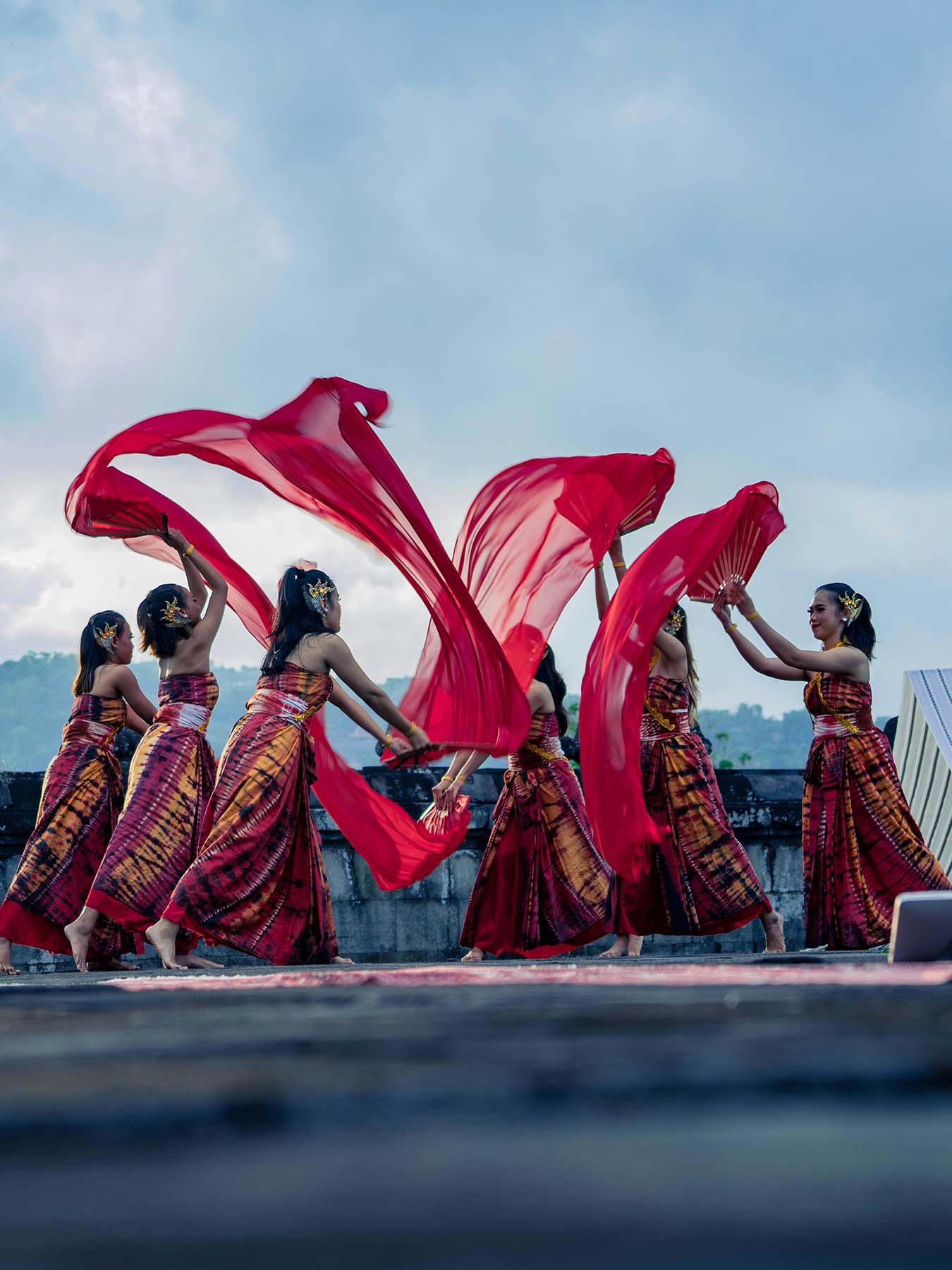
Photo by Dino Januarsa on Unsplash
Circle dancing is part of many religious ceremonies:
- The Bon Odori is a seven-centuries-old Japanese traditional circle dance performed during the Buddhist holiday, Obon, to honor ancestors. Traditional versions of the dance require the all-female dancers to wear colorful kimonos and straw hats with black hoods to hide their faces to represent the dead dancing with graceful arm and foot movements accompanied by drumming, flutes, and gongs. Many modern Obon festivals include male and female dancers circle dancing to all types of music.
- Sufi dance is an Islamic circle dance, practiced primarily in Turkey and Egypt as well as in other parts of the Middle East, where the dancers dance in their own personal circles and sometimes in a circle group formation with other dancers. The dancers wear long white robes and tall hats. The dancer spins with the right hand raised toward Heaven to receive blessings from the Divine and left hand pointed downward to send the blessings to earth and spins to represent the turning of the universe. The spinning dance movements, known as whirling, is a meditative introspective prayer to get closer to God. Sufi dancing originated in the 13th century created by followers of the poet Rumi.
Circle dancing can honor the seasons and seasonal activities:
- Maypole dancing is a traditional European circle dance, popular in England, Sweden, and Germany, to celebrate Midsummer. Traditionally performed on May 1st (May Day), dancers dance in a circle holding onto ribbons that are attached to a pole, known as the Maypole, weaving the ribbon into patterns.
- Ganggangsullae is a traditional Korean circle dance performed by women at night during a full moon to celebrate harvest time to encourage rain and a good harvest. The dance circle represents the full moon and unity, The dancers move in a circle and also in pairs, using sweeping gestures, stomping, kicking, and clapping.
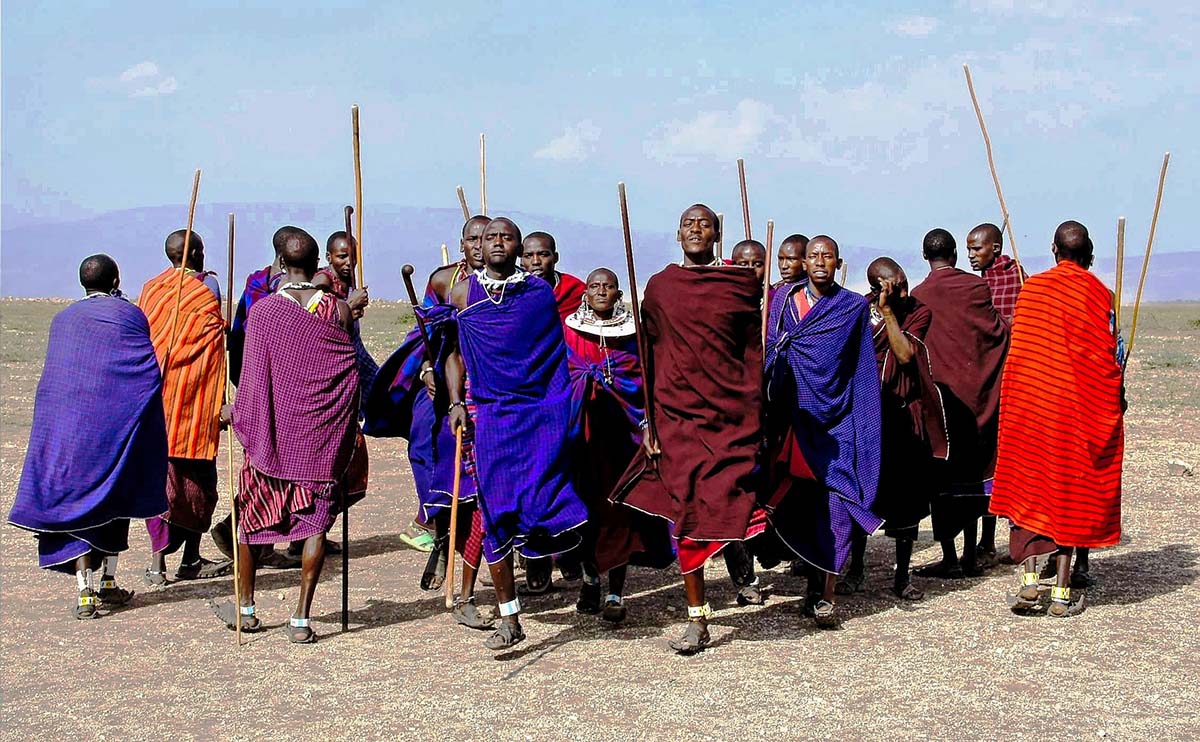
Photo by Tony Knight for Pixabay
Dance circles are also community building activities:
- The Morris dance is a traditional English folk dance that dates back to the 15th century that is performed at spring and summer festivals. The dance is performed in groups that move in circular and linear formations in step work that includes leaping and hopping movements accompanied by fiddles, pipes, and other traditional English instruments. Dancers wear bells, carry props like sticks, swords, or handkerchiefs.
- A number of Middle Eastern dances commonly use circle formations in their folk dancing, particularly Turkish, Lebanese, and Persian. The Middle Eastern dance form known as belly dance and its corresponding women-centered folk dances were originally danced in women-only gatherings as a bond between women, to socialize, celebrate and mark special occasions in life. In fact, they are still frequently danced in women’s gatherings today in many Middle Eastern countries. In Egypt, these dances are called Raqs Sharqi and Raqs Baladi. The baladi folk dances were focused on womanhood and women’s daily lives. These dances were sometimes danced in group circles. This is one of the reasons that belly dancing is a dance expression in many modern dance circles.
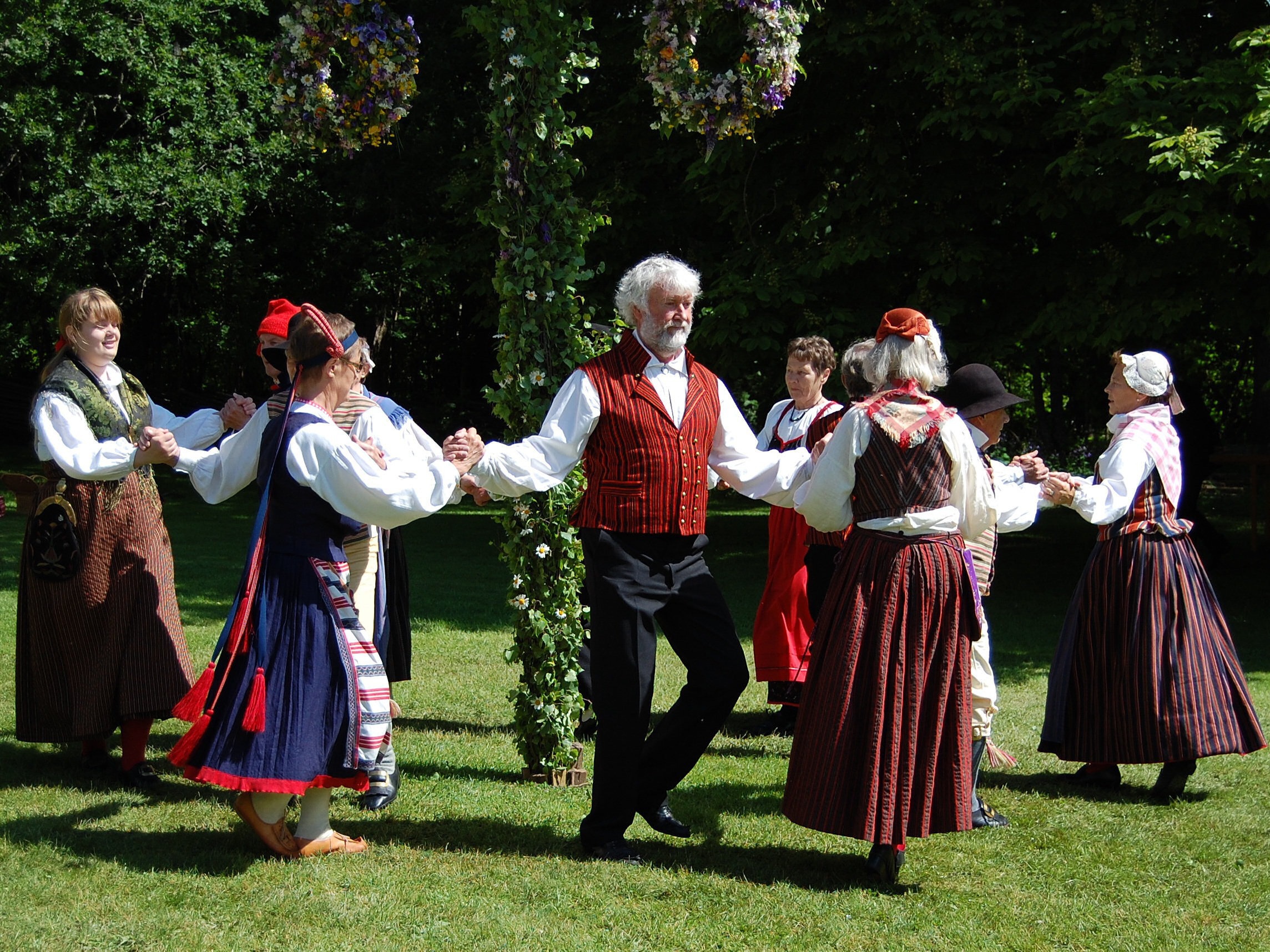
Image by Åsa Lundqvist from Pixabay
Popularity of Circle Dancing
You may have noticed how all of these examples of circle dancing have certain things in common. Community. Self-expression. Reaching for something beyond ourselves. These are a few of the things that have made modern dance circles popular.
Modern dance circles often bring together a diverse group of people to learn the traditional dances of different countries and dance creative movements in circle formations. In the 1970s, the Findhorn Foundation in Scotland started a movement to have more people learn traditional European dances, particularly ritualistic sacred dances. This influenced an international growth of circle dance groups that focused on folk dances and ritualistic dances from all over the world.
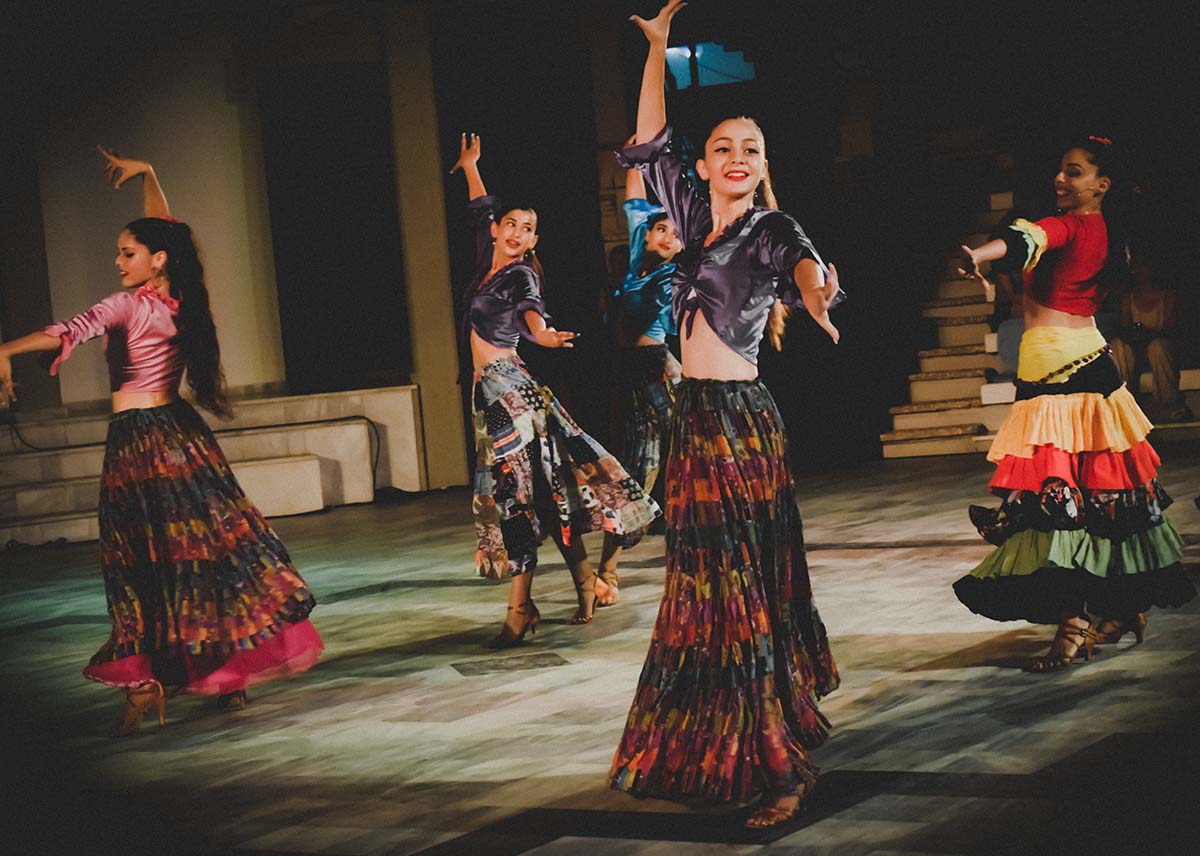
Image by Dimitris Vetsikas from Pixabay
Today, people seeking to connect to the cultural and spiritual practices of their ancestors are drawn to dance circles. It has become a way of reclaiming heritage for many. For some it is a spiritual quest to seek the Divine, however they define it. Often these dance circles are also women’s circles where women can safely gather, express themselves, and find peace. Dance circles are meant to be safe spaces for all people who want to connect through creative movement and explore a whole world revealed through dance.